Breakfast Nutrition Trends
February 2026
February 2026
Breakfast practices have evolved significantly in contemporary society, reflecting diverse approaches to morning nutrition. This article examines various patterns observed in modern breakfast consumption and the reasoning behind different approaches to the first meal of the day.
Traditional breakfast concepts have expanded to include a wide spectrum of food choices, timing preferences, and composition strategies. Some individuals prioritize protein-rich morning meals, while others focus on carbohydrate sources or lighter options.
Contemporary breakfast patterns include several distinct approaches. Some individuals consume breakfast shortly after waking, while others delay their first meal of the day. The timing of breakfast consumption varies based on individual schedules, preferences, and lifestyle factors.
Breakfast composition also varies widely. Some patterns emphasize whole grains and fruits, others focus on protein sources such as eggs or plant-based alternatives, and some include combinations of multiple food groups. The diversity of breakfast approaches reflects different perspectives on morning nutrition.
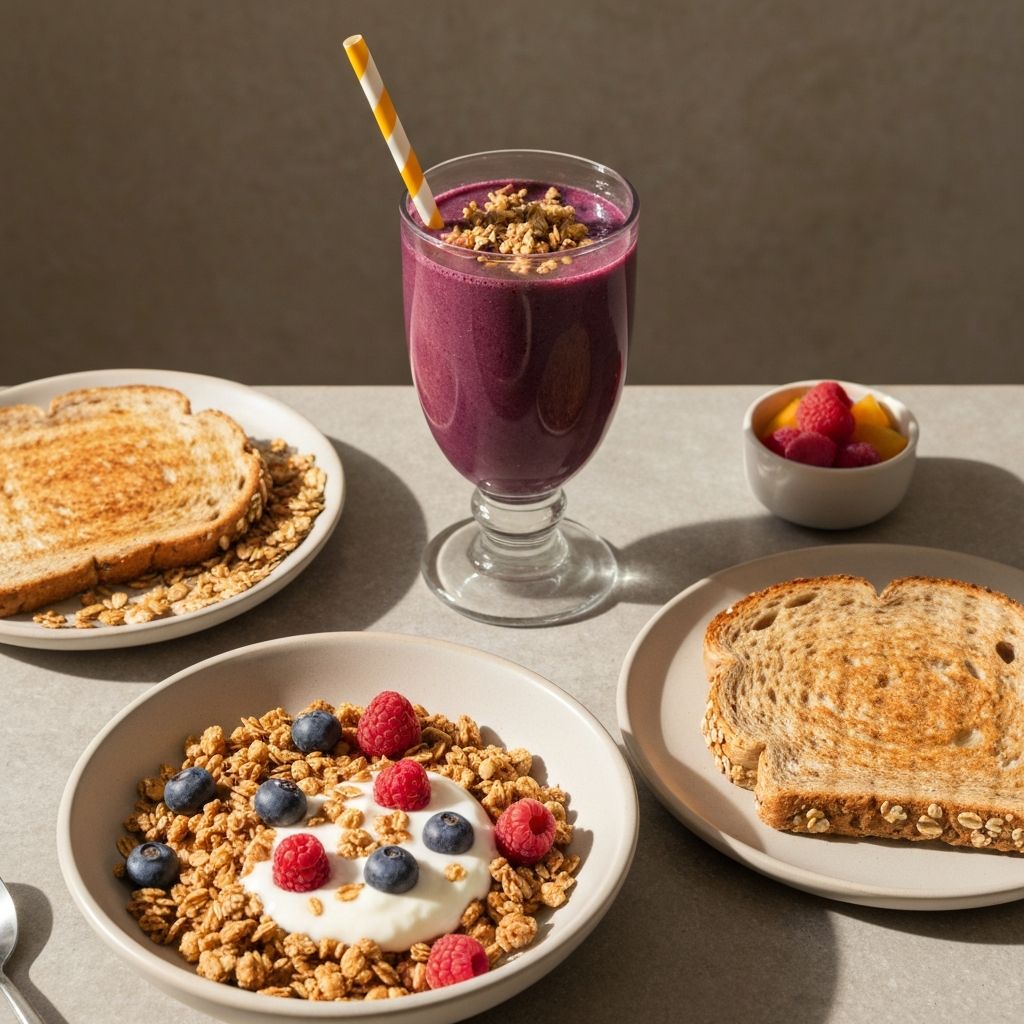
Modern breakfast options frequently include oatmeal, whole grain cereals, eggs prepared in various ways, yogurt with additions, smoothies incorporating fruits and vegetables, whole grain toast with spreads, and fresh fruit selections. These components can be combined in numerous ways to create different breakfast patterns.
The selection of breakfast foods often reflects considerations such as preparation time, ingredient availability, cultural traditions, and personal taste preferences. Some individuals prefer quick preparation methods, while others allocate more time to morning meal preparation.
The timing of breakfast consumption represents an area of significant variation in contemporary practices. Some individuals consume breakfast within an hour of waking, while others wait several hours before their first meal. This timing variation relates to different perspectives on eating schedules and daily routines.
Some dietary patterns incorporate specific timing frameworks for breakfast consumption, while others maintain flexible approaches. The diversity of timing practices reflects individual circumstances and varying perspectives on meal scheduling.
Morning beverage consumption forms an important component of breakfast patterns. Common choices include water, coffee, tea, plant-based milk alternatives, and fruit juices. The selection and timing of morning beverages vary across different dietary approaches.
Some individuals consume beverages before solid food, while others incorporate beverages throughout their morning meal. These patterns reflect personal preferences and different perspectives on hydration and morning routines.
The diversity of breakfast approaches observed in contemporary society illustrates the range of perspectives on morning nutrition. Different patterns reflect various priorities, cultural backgrounds, lifestyle factors, and individual preferences.
Understanding this diversity provides educational context for the variety of breakfast practices encountered in modern settings. No single approach represents a universal standard, and breakfast patterns continue to evolve alongside changing lifestyles and food availability.
This article provides informational content about breakfast nutrition trends for educational purposes. It describes various approaches observed in contemporary society but does not constitute personalized dietary guidance or recommendations for individual circumstances.
The information presented explains concepts and provides context about different approaches to breakfast without advocating for specific methods or promising outcomes. Individual dietary choices involve numerous personal factors, and this educational content does not replace professional consultation.
Explore more educational articles about contemporary nutrition trends
Explore further