Dinner and Snack Trends
February 2026
February 2026
Dinner practices in modern society vary considerably in timing, composition, and social context. This article examines approaches to evening meals and snacking behaviors observed in contemporary dietary patterns, exploring the factors that influence these eating occasions.
Dinner often represents a significant eating occasion in daily routines, though its relative importance varies across cultures and individual circumstances. Some traditions emphasize dinner as the primary daily meal, while others distribute eating more evenly throughout the day.
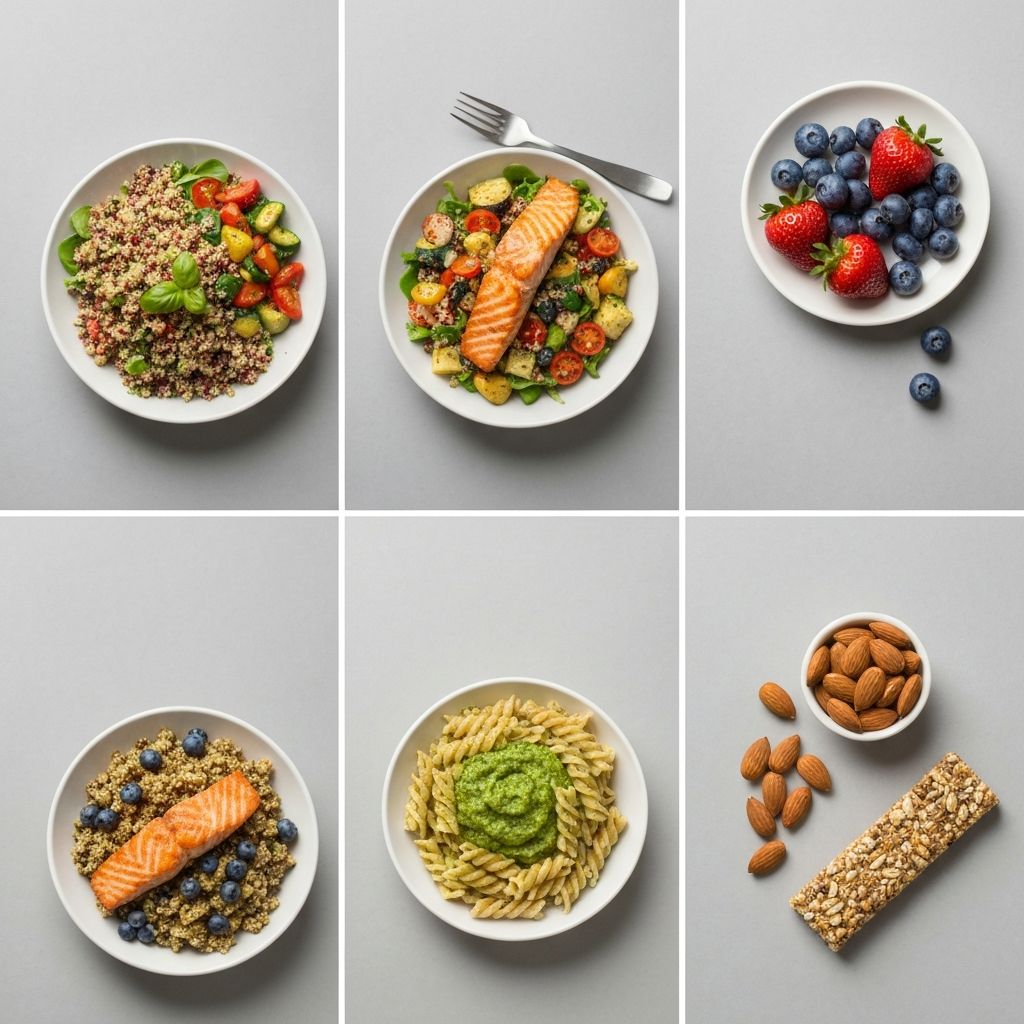
Contemporary dinner patterns typically include combinations of protein sources, vegetables, grain or starch components, and various preparations reflecting cultural and personal preferences. The composition of dinner varies based on factors including time available for preparation, household size, cultural traditions, and individual tastes.
Some individuals prepare elaborate dinners with multiple components, while others opt for simpler one-dish meals or lighter evening eating. The approach to dinner composition often reflects lifestyle factors, cooking skills, and priorities regarding meal preparation time.
The timing of dinner consumption demonstrates significant cultural and individual variation. Some patterns involve early evening dinner, typically between 5 and 7 PM, while others feature later dinner times extending to 8 PM or beyond. Work schedules, family routines, and cultural traditions influence dinner timing preferences.
Some dietary approaches incorporate specific frameworks regarding dinner timing in relation to sleep or other daily activities. The diversity of timing practices reflects different perspectives on evening eating and its role in daily routines.
Dinner often carries social significance in many cultures, serving as an occasion for family gathering or social interaction. The social dimension of dinner affects meal duration, conversation patterns, and the overall eating experience. Some individuals regularly share dinner with others, while others typically eat dinner alone.
The social context of dinner influences food selection, preparation methods, and presentation. Shared dinners may involve different considerations compared to individually consumed evening meals.
Snacking behaviors demonstrate considerable variation in frequency, timing, and food choices. Some individuals incorporate planned snacks between main meals, while others snack opportunistically based on hunger, availability, or circumstances. The role of snacking in daily eating patterns varies significantly across different dietary approaches.
Some dietary frameworks include specific perspectives on snacking frequency and timing, while others maintain flexible approaches. The diversity of snacking patterns reflects different views on meal distribution and energy intake throughout the day.
Contemporary snack choices include fresh fruit, vegetables with dips, nuts and seeds, yogurt, whole grain crackers, cheese, dried fruit, and prepared snack items with varying nutritional profiles. The selection of snack foods often reflects considerations of convenience, portability, storage requirements, and personal preferences.
Some individuals prioritize minimally processed snack options, while others include more processed items. Snack selection may also reflect specific dietary approaches that emphasize certain food categories or nutritional priorities.
The timing of snacks varies based on meal spacing, individual hunger patterns, and daily schedules. Common snacking times include mid-morning, mid-afternoon, and evening hours. Some individuals maintain consistent snacking times, while others vary their snacking patterns based on daily circumstances.
The context of snacking includes considerations such as location, activity level, and time availability. Snacks consumed at work may differ from those eaten at home, and active periods may influence snack timing and composition differently than sedentary times.
The diversity of dinner and snacking approaches observed in contemporary society illustrates the range of perspectives on evening nutrition. Different patterns reflect various cultural backgrounds, lifestyle factors, time constraints, and individual preferences.
Understanding this diversity provides educational context for the variety of evening eating practices encountered in modern settings. Dinner and snacking patterns continue to evolve alongside changing work schedules, food availability, and cultural exchange.
This article provides informational content about dinner and snacking trends for educational purposes. It describes various approaches observed in contemporary society but does not constitute personalized dietary guidance or recommendations for individual circumstances.
The information presented explains concepts and provides context about different approaches to evening eating without advocating for specific methods or promising outcomes. Individual dietary choices involve numerous personal factors, and this educational content does not replace professional consultation.
Explore more educational articles about contemporary nutrition trends
Explore further